
Topic
Beaches & Nature

Best Sunrise and Sunset Spots on Oahu

Oahu's best light happens at the edges of the day. Here are the spots that locals actually go to, plus what time to show up and what to expect.
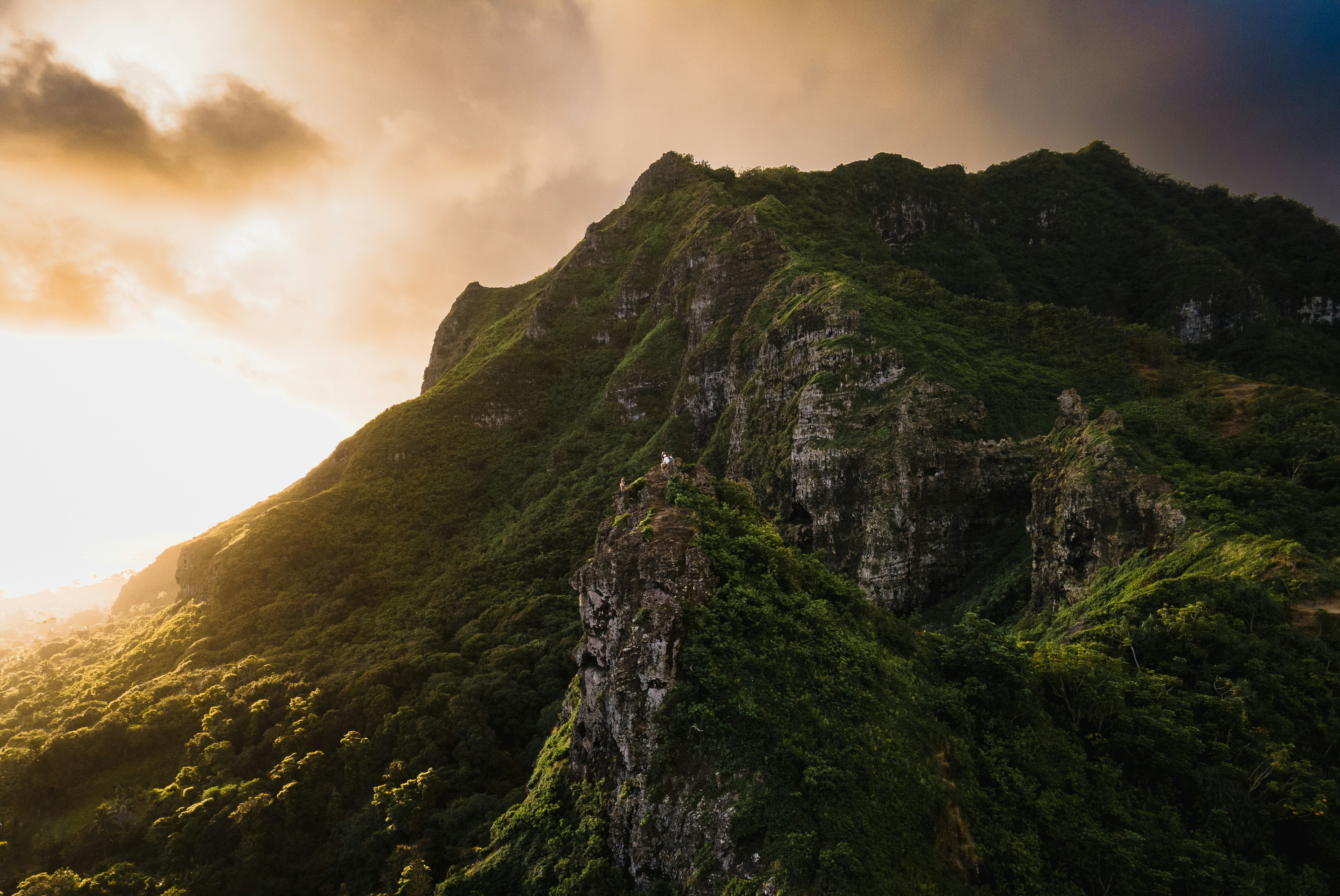
Early starts and the right spot make all the difference

The sun rises over the Pacific on Oahu's east side and sets behind the ocean on the west. That sounds obvious, but the geography of the island means the exact quality of the light, the colors, and the scene changes dramatically depending on where you're positioned.

Some spots are famous. Some are worth the drive but nobody talks about them online. Here's the honest breakdown.

Best Sunrise Spots

Diamond Head Summit

This is the gold standard for Oahu sunrise, and it earns it. You're standing on the rim of an ancient volcanic crater watching the sun come up over the Pacific while the city of Honolulu wakes up below you. There's nothing else like it.

What you need to know:

  • The trail opens at 6:00 AM. Get there right at opening or a few minutes before.
  • Sunrise in summer is around 5:50 to 6:00 AM. In winter it's closer to 7:00 AM. Check the actual time for your date.
  • The hike is about 45 minutes up, 30 minutes down. Bring a light. The lower part of the trail has a tunnel with very little ambient light.
  • Parking fills up fast. The small lot inside the park is your best option but it's limited. Rideshare drop-off works well.
  • You'll share the summit with other early risers, but it's much less crowded at sunrise than midday.

Lanikai Beach Pillboxes

The hike up to the Lanikai Pillboxes on the windward side gives you a sunrise view that most Oahu visitors completely miss. You're looking down at Lanikai Beach, the Mokulua Islands, and the open Pacific from a hillside bunker built during World War II.

  • The trailhead is off Kaelepulu Drive in Kailua. It's a 30 to 45 minute hike to the first pillbox.
  • The first pillbox has the better sunrise view. The second one is further and the angle is slightly less ideal for first light.
  • This is a residential area. Park respectfully and keep noise down early in the morning.
  • The trail is short but steep. Wear real shoes.

Makapu'u Lighthouse Trail

The Makapu'u Point Lighthouse Trail on Oahu's eastern tip is a paved path to a spectacular perch above the ocean. In winter months, this is also one of the best spots on the island to watch humpback whales from shore.

  • The parking lot opens at 7:00 AM. For winter sunrises you're fine. For summer, you'll need to be creative with transportation.
  • The hike is about a mile each way, fully paved, moderate incline.
  • The lighthouse itself is not open to the public, but the views around it are the point.
  • In January through March, look out to sea from the top. Humpbacks breach visibly from this height.

Koko Crater Railway Trail

This one is a workout first, a sunrise spot second. The Koko Crater Railway Trail follows the old military rail tracks straight up the side of the crater. At the top you're looking across the entire southeast corner of Oahu.

  • 1,048 steps, mostly on old wooden railroad ties. Steep and exposed.
  • Start at least 45 minutes before sunrise if you want to be at the top for first light.
  • There's a broken trestle section about two-thirds of the way up. Cross carefully.
  • Not suitable for anyone with knee or hip issues. It's genuinely steep.

Best Sunset Spots

Ewa Beach and Kahe Point

For a west-facing beach sunset with almost no crowds, Kahe Point Beach Park is the local answer. It's on the Ewa side of Oahu, away from the tourist corridor, and it faces directly into the setting sun with nothing blocking the horizon.

  • About 30 minutes from Waikiki by car.
  • The beach is rocky in spots but the coastal road has several pull-offs with clear sightlines west.
  • Popular with local families. Expect barbecues and pickup football games. That's the point.

Sunset Beach, North Shore

Sunset Beach on the North Shore was not named by accident. The beach faces northwest and catches the last light of the day in a way that makes the water turn colors you won't get anywhere else on the island.

  • Best in late October through February when the light angle is lower.
  • The beach is massive, so finding space isn't usually a problem.
  • In winter, the surf here is large and the shore break is dangerous. Do not swim. Watching the sunset while watching the winter waves is a combination that makes this the best spot on the list for the right season.

Yokohama Bay (Kaena Point Area)

Yokohama Bay at the far northwestern tip of Oahu is the most remote sunset spot on this list and the most worth the effort. The road ends here. There's almost nothing beyond it except coastline, seabirds, and a horizon that goes to Japan.

  • About 50 minutes from Honolulu. The last stretch of road is rough but most cars can handle it slowly.
  • Almost no crowd. Locals know it; tourists mostly don't make the drive.
  • The area around Kaena Point is a protected wildlife reserve. Hawaiian monk seals and Laysan albatross nest here. Stay on the path and keep distance from any wildlife you spot.

Magic Island at Ala Moana Beach Park

For an easy sunset without a hike or a long drive, Magic Island is the local default. The peninsula at the east end of Ala Moana Beach Park faces west and gives you a clean view of the sun dropping toward the horizon with Diamond Head to your left and the open water straight ahead.

  • No parking hassle. The Ala Moana Beach Park lot is large and free.
  • Half the city shows up here for Friday and Saturday sunsets. It has a festival energy.
  • The path around Magic Island is flat and paved. Easy for all ages and fitness levels.

Sunrise and Sunset From the Air

There's one more option that changes what golden hour looks like entirely. A sunrise or early-morning helicopter flight over Oahu puts you above the cloud layer just as the sun crests the Ko'olau Mountains, with the entire island spread below you in early light.

The Magnum Helicopters doors-off tour covers the full island circuit, and the windward coast in early morning light is one of the most visually dramatic things you can experience on Oahu. Sacred Falls, the Ko'olau ridgeline, Kaneohe Bay, the patchwork of valleys. All of it in the first clean light of the day.

It's a completely different perspective from any of the ground-level spots on this list, and it covers more of the island than you could reach by car in a single morning.

General Tips for Chasing Good Light

  • Check the actual sunrise and sunset times for your date. Times shift significantly between summer and winter in Hawaii. Apps like PhotoPills or even a basic Google search give you the exact minute.
  • Add 10 to 15 minutes early for setup time. The best light usually happens a few minutes before and after the exact moment of sunrise or sunset.
  • Overcast doesn't always mean bad. Some of the most dramatic skies on Oahu happen when there's partial cloud cover. Clear skies can be beautiful but also a bit flat photographically.
  • Check the weather the night before. Oahu's microclimates mean one side of the island can be socked in while the other is clear. If your plan-A spot looks cloudy, drive to the other side.

Oahu rewards early risers. Most of the best spots on this list are far less crowded at 6 AM than they are at 10 AM, and the light at the edges of the day is worth setting the alarm for.

Light Changes Everything Here

The volcanic landscape and the ocean horizon give Oahu some of the most photogenic light in the Pacific. The same beach you walk past at noon looks like a completely different place at 6 AM. Plan at least one early morning into your trip and pick a spot from this list.

Don't Forget the Moon

Full moon nights on Oahu are worth staying up for. The moonrise over the Ko'olau Mountains on the windward side is genuinely something. It won't replace sunrise, but it's a good reason to walk outside after dinner.

6 min read
Articles you may like
View all
No items found.